 FOTOLEXA

Nepal's politics after the Gen Z movement is a story of rupture followed, unusually quickly, by an electoral resolution. The September 2025 protests forced a prime minister's resignation, brought an interim government under Sushila Karki and set the country on a path to elections held on 5 March 2026. Voters awarded the Rastriya Swatantra Party 182 of 275 seats, and Balendra Shah became prime minister on 27 March 2026. This analysis examines what that sequence changed, and what it did not.
The temptation after dramatic events is to declare an era ended. Nepal's longer history counsels caution: movements in 1990 and 2006, a civil war, a republic and a federal constitution all transformed politics without ending its older patterns of coalition bargaining, patronage and institutional weakness. The significance of the Gen Z moment will be determined less by the drama of September 2025 than by whether the government it ultimately produced can convert a protest mandate into administrative results. That conversion is now the central drama of Nepali politics.
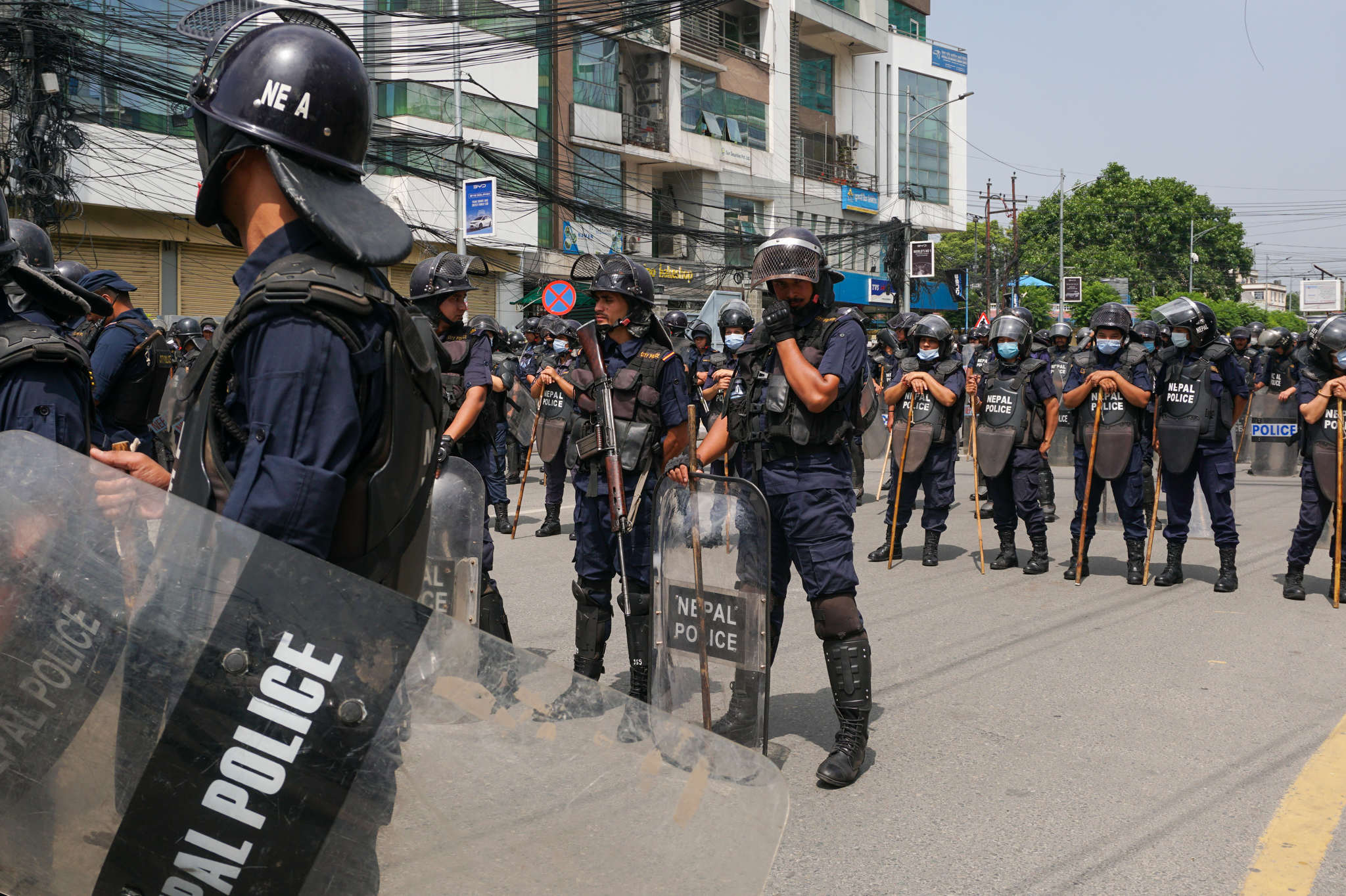
 What the Voters Actually Decided
The March 2026 result was emphatic by Nepali standards, where fragmented parliaments and coalition governments have been the norm. A single party winning 182 of 275 seats gives the Rastriya Swatantra Party, the centrist reform party founded in 2022 by Rabi Lamichhane, a governing capacity few recent predecessors enjoyed. Balendra Shah's rise, from Kathmandu's mayoralty to the premiership, embodied the election's anti-establishment energy: voters chose figures associated with performance and outsider credibility over the leadership that had rotated through power for decades.
Interpreting the mandate requires care. A vote against established parties is not automatically a detailed programme, and a large majority contains multitudes: young urban reformers, first-time voters, disaffected supporters of older parties and citizens primarily seeking jobs and honest administration. Published analysis of comparable reform victories elsewhere suggests such coalitions agree most easily on what they oppose. Governing tests whether they can agree on trade-offs, taxes, federal relations and the pace of institutional change. The size of the majority removes excuses about arithmetic while raising the standard against which delivery will be judged.
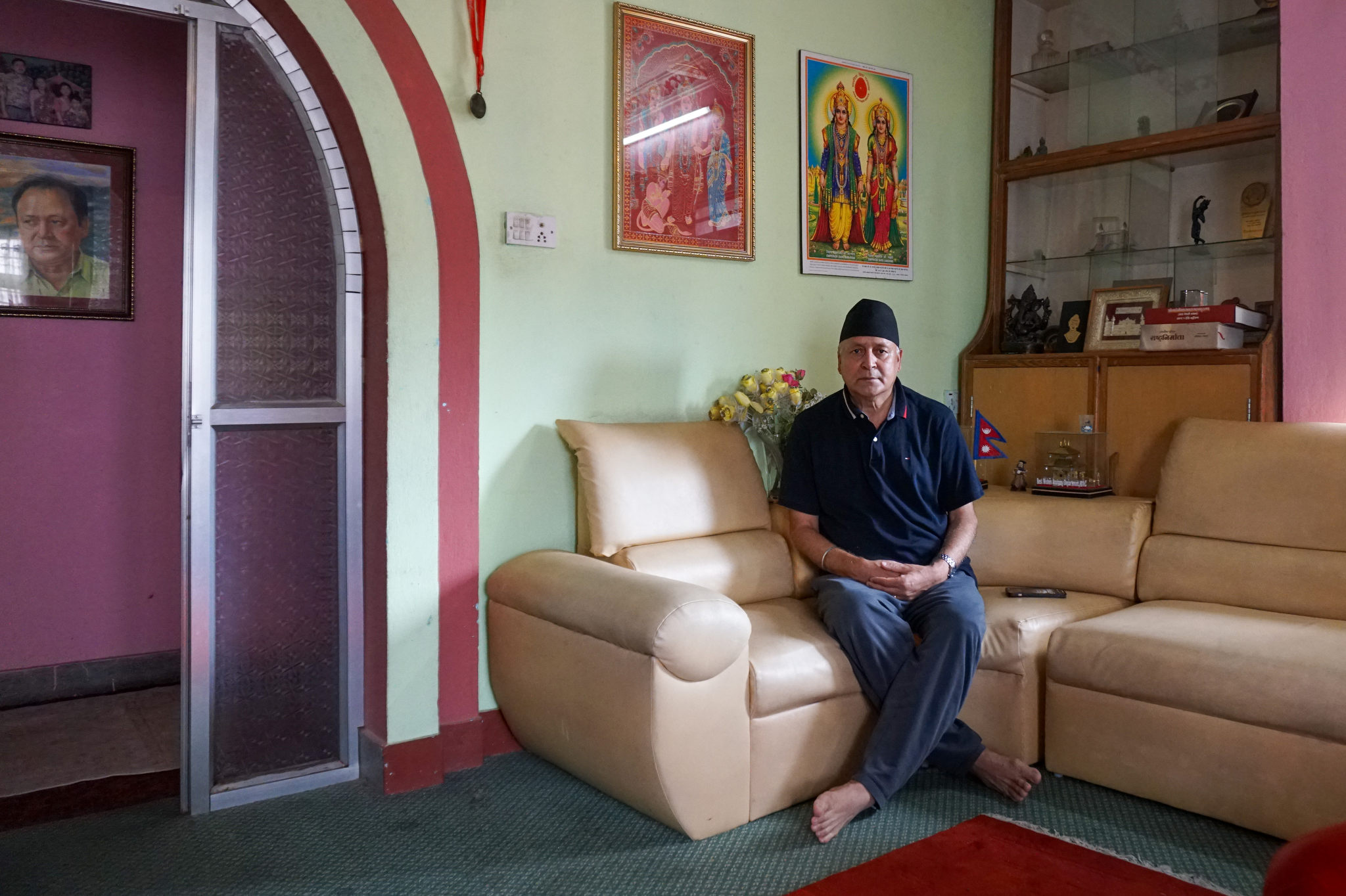
The Inheritance: Inquiry, Economy and Institutions
The new government inherited unfinished business from the crisis itself. The inquiry commission under Gauri Bahadur Karki investigated the September violence, in which at least 76 people were killed and more than 2,500 wounded. How its findings are handled, with due process, publication and consequences where evidence warrants, will signal whether accountability extends to events surrounding the transition of power. Victims' families and protesters alike have stakes in that process, and any perception of selective justice would damage the new order's founding claim to be different.
Economic inheritance is equally demanding. The grievances that fuelled the protests, youth unemployment, the pull of foreign employment, perceived corruption and the cost of opportunity, are structural. Tourism disruption, investor caution and the everyday economics of households all require steady management. A reform government must also work through institutions it criticised: courts, commissions, the civil service and provincial governments led by other parties. Federal cooperation is not optional, since services citizens judge daily are delivered locally. Political dominance in Kathmandu does not abolish the constitution's distribution of work.
Movements can change who governs in a season; only institutions can change how a country is governed for a generation.
Old Parties at a Crossroads
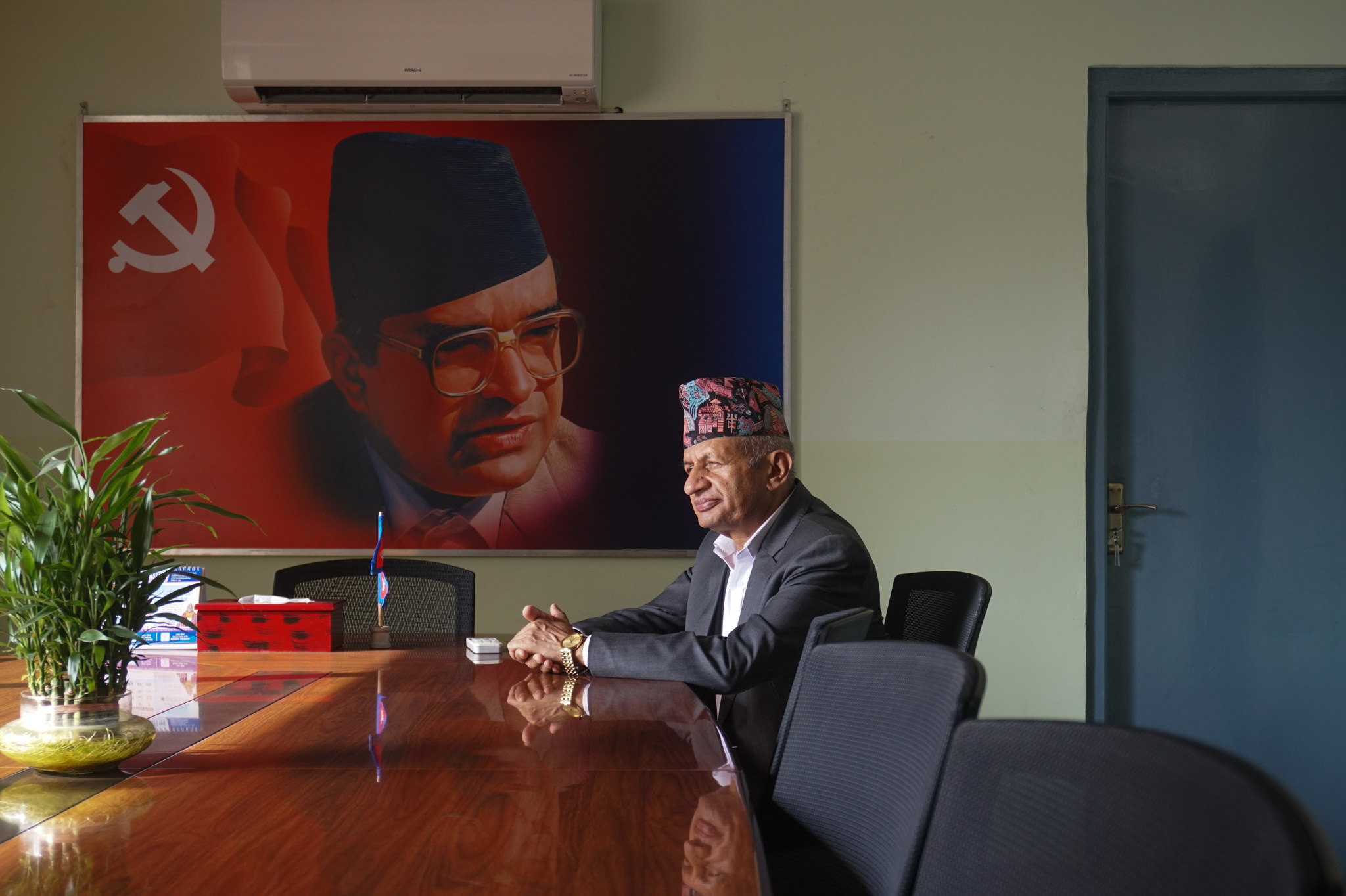
For Nepal's established parties, the 2026 result poses existential questions. Organisations that led the movements of 1990 and 2006 and governed the republic for most of its life must explain how they lost the confidence of a generation, and whether renewal means new leadership, internal democracy and credible anti-corruption practice or merely opposition rhetoric until the wheel turns. Democracies need competent opposition as well as government; a parliament in which older parties simply wait for reform to fail would ill serve voters who still support them in provinces and municipalities.
There is also the royalist question. The debate over restoring the monarchy and a Hindu state, energised before the protests, did not disappear with the election. It now competes within a landscape where a republican reform party has demonstrated that change can be pursued through the ballot box. That demonstration may be the strongest argument the republic has produced in years: proof that the system can replace a political class without replacing the constitution. Whether royalist sentiment recedes will depend partly on whether the republic's new managers avoid the failures that made restoration seem plausible to some citizens.
The Generation That Will Keep Watching
The Gen Z cohort that mobilised in 2025 is not leaving politics; it is ageing into the electorate, the workforce and eventually office. Its political habits, platform fluency, low tolerance for visible privilege and impatience with procedural excuses, will shape campaigns and governments for decades. Parties of every ideology are adapting their communication and candidate selection accordingly. The more consequential adaptation would be substantive: transparent recruitment, published party finances and youth representation with real portfolios rather than decorative roles.
Sustained scrutiny matters because reform governments everywhere face a predictable arc: early symbolic wins, then the slow resistance of systems, then public impatience measured against campaign expectations. Nepal's young citizens have already shown they can organise a rupture. The healthier test of democratic maturity would be their capacity, and the system's capacity, to process disappointment through institutions: courts, audits, journalism, provincial politics and the next election. A political culture in which every failure requires a street uprising is not sustainable; one in which grievances visibly move institutions might be.
After the Movement, the Administration
Nepal's political future after the Gen Z movement will be written in unglamorous places: budget execution, procurement decisions, appointment files, provincial negotiations and the handling of a single inquiry report. That is not a deflation of the movement's importance but its fulfilment. Protests opened a door that elections then walked through; administration decides whether anything lasting stands on the other side.